



Alcohol addiction doesn’t begin in one day. It usually starts small, a drink to relax, to celebrate, or to deal with stress. Slowly, without even realizing it, that habit can turn into something harder to control. Over time, alcohol can begin to affect health, relationships, work, and inner peace. When stopping feels difficult despite wanting to quit, it may be time to seek real support.
Many families feel confused or even scared when they hear the word “rehab.” There can be hesitation, worry about society, or fear of judgment. But the truth is, an Alcohol Rehabilitation Centre in Siliguri is not a place of shame. It is a place of care, understanding, and healing, where trained professionals help individuals safely step away from alcohol and rebuild their lives with dignity.
If you or someone you love is struggling, reaching out to a trusted Rehabilitation Centre in Siliguri can be a life-changing decision. In this guide, we’ll explain everything in simple words, what rehab really means, when it’s needed, how treatment works, and how families can play an important role in recovery.
Quick Signs You Need Rehab :
- Daily drinking
- Loss of control
What is Alcohol Rehabilitation in Siliguri?
Alcohol rehabilitation is a structured treatment program designed to help individuals stop drinking and learn how to live a healthy, alcohol-free life.
Rehab focuses on three main areas:
- Physical recovery – Managing withdrawal symptoms safely
- Mental healing – Addressing emotional triggers and stress
- Behavioral change – Building healthier coping habits
Alcohol affects both the body and the brain. That’s why quitting without medical support can sometimes be risky. A professional Rehabilitation Centre in Siliguri provides supervised detox, counseling, therapy sessions, and relapse prevention planning.
Rehab is not just about stopping alcohol. It is about understanding why drinking started and learning how to move forward without it.
Signs It May Be Time to Consider Rehab
It’s not always easy to accept when drinking has crossed the line. Many people tell themselves they can stop anytime. But when alcohol begins to control daily life, professional help may be necessary.
Rehab is usually needed when drinking is no longer a choice but a compulsion. If someone tries to quit but keeps going back to alcohol, that’s a strong sign that support is required.

Here are some common situations where rehab should be considered:
- Drinking every day or very frequently
- Feeling strong cravings or irritation when not drinking
- Experiencing shaking, sweating, or anxiety after stopping alcohol
- Alcohol affects work performance or studies
- Frequent arguments with family because of drinking
- Hiding alcohol use or lying about it
- Health problems linked to alcohol
- Continuing to drink despite serious consequences
Another important sign is when a person feels emotionally dependent on alcohol, using it to cope with stress, sadness, anger, or loneliness.
If alcohol is causing more harm than happiness, and stopping feels difficult alone, it may be the right time to seek help from a professional rehabilitation centre. Early treatment not only makes recovery easier but also prevents long-term physical and mental damage. Recognizing the need for rehab is not a sign of weakness. It is a brave and responsible decision toward a better life. Talk to our experts in Siliguri today for confidential guidance and support.
Treatment Stages in Alcohol Rehabilitation
Recovery is a process. A well-structured Rehab Centre in Siliguri usually follows different treatment stages to ensure safe and long-term recovery.
1) Assessment and Evaluation
The first step is a complete medical and psychological assessment. Doctors and counselors understand:
- Drinking history
- Physical health condition
- Mental health status
- Family background
- Past attempts to quit
This helps in designing a personalized treatment plan. Treatment is guided by experienced psychiatrists and addiction specialists.
2) Detoxification (Detox)
Detox is the stage where alcohol is removed from the body. This is often the most physically challenging phase.
Common withdrawal symptoms may include:
- Sweating
- Shaking
- Anxiety
- Nausea
- Headache
- Insomnia
In severe cases, withdrawal can be dangerous. That is why detox should always be supervised in a professional Rehabilitation Centre in Siliguri, where medical staff monitor vital signs and provide necessary medication. Detox usually lasts a few days to a week, depending on the severity of dependence.
3) Therapy and Counseling
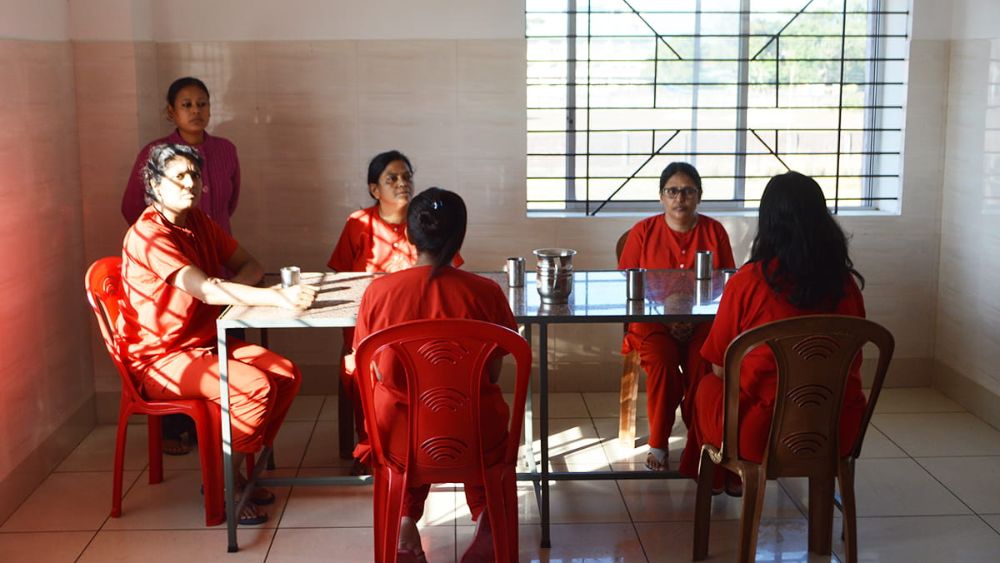
Once detox is complete, the real healing begins.
Therapy helps individuals:
- Understand triggers
- Manage stress
- Deal with guilt or shame
- Improve emotional control
- Rebuild confidence
Common therapy methods include:
- Individual counseling
- Motivational sessions
- Family counseling
An Alcohol Rehabilitation Centre in Siliguri focuses not only on stopping alcohol use but also on improving mental strength.
4. Relapse Prevention Planning
Recovery does not end after leaving rehab. Patients learn practical skills to:
- Avoid high-risk situations
- Handle cravings
- Build a healthy routine
- Strengthen support systems
This stage prepares individuals for life outside the rehab environment.
Inpatient vs Outpatient Treatment
When exploring options at a Rehab Centre in Siliguri, you will usually find two main types of programs: inpatient and outpatient. Both are designed to support recovery, but they work in different ways depending on a person’s condition and needs.
In-patient Rehabilitation
In inpatient treatment, the person stays inside the rehabilitation centre for a specific period of time. It is a fully structured program where daily activities, therapy sessions, meals, and rest are all planned carefully.
In this setup:
- The patient lives at the centre during treatment
- Medical support is available 24/7
- A fixed daily routine is followed
- Outside distractions are limited
This type of care is often recommended for people who:
- Have severe alcohol dependence
- Experience strong withdrawal symptoms
- Have tried quitting before but relapsed
- Do not have a supportive or safe home environment
Inpatient care creates a focused healing space where the individual can step away from daily triggers and concentrate fully on recovery.
Choose Inpatient Rehab if:
- Alcohol use is severe or long-term
- Withdrawal symptoms are strong
- You have relapsed before
- The home environment is not supportive
- You need 24/7 medical care
Outpatient Rehabilitation
Outpatient treatment is more flexible. In this program, the person continues living at home but visits the centre regularly for therapy sessions, counseling, and medical check-ups.
In this setup:
- The patient stays at home
- Attends scheduled therapy sessions
- Can continue work, business, or studies
Outpatient care is generally suitable for individuals who:
- Have mild to moderate addiction
- Have strong family support
- Live in a stable and positive environment
This option allows people to practice recovery skills in real-life situations while still receiving professional guidance.
Choose Outpatient Rehab if:
- Addiction is mild to moderate
- You have strong family support
- You can manage daily responsibilities
- You prefer flexible treatment options
- You are highly motivated to recover
Still unsure which option is right for you? Talk to our experts in Siliguri for personalized guidance.
How Long Does Alcohol Rehabilitation Take?
One common question families ask is: “How long does rehab take?”
The duration varies depending on:
- Severity of addiction
- Physical health
- Mental health condition
- Response to treatment
Common program lengths include:
- 7 to 10 days (Detox programs)
- 28 to 30 days
- 60 days
- 90 days or more
Longer treatment often leads to better long-term results because recovery takes time. Alcohol addiction changes brain patterns and behavior. Rebuilding healthy habits cannot happen overnight. A structured Alcohol Rehabilitation Centre in Siliguri focuses on steady and realistic progress.
Why Choose a Local Rehabilitation Centre?
Choosing a local Rehab Centre in Siliguri has several advantages.
1) Easy Family Involvement
Family members can visit regularly and attend counseling sessions.
2) Quick Access in Emergencies
In case of sudden need, help is nearby.
3) Comfortable Cultural Environment
Patients feel more connected and understood.
4) Cost-Effective
Local treatment reduces travel and accommodation costs.
Recovery becomes easier when the patient feels supported and understood within their own community.
The Role of Family in Recovery
.jpg)
Alcohol addiction affects the entire family, not just the individual. That is why family support plays a powerful role in recovery.
Here’s how families can help:
- Encourage treatment without judgment
- Attend counseling sessions
- Avoid blaming or shaming
- Learn about addiction
- Create a supportive home environment
Sometimes family members also need guidance to cope with emotional stress. Many rehabilitation centres in Siliguri include family therapy to rebuild trust and communication. Recovery becomes stronger when families heal together.
Common Myths About Alcohol Rehab
Many people avoid treatment because of misconceptions.
Myth 1
Rehab is only for severe addicts
Truth: Early treatment prevents serious damage.
Myth 2
Rehab is like jail
Truth: It is a supportive medical facility focused on healing.
Myth 3
One visit is enough
Truth: Recovery is a continuous journey.
Myth 4
Addiction is a lack of willpower
Truth: Addiction is a medical and psychological condition that needs professional care.
Understanding the truth can remove fear and encourage timely help.
Common Questions People Often Ask
1) Is alcohol rehab confidential?
Yes. Professional centres maintain strict privacy and confidentiality.
2) Is detox painful?
Withdrawal can be uncomfortable, but medical supervision helps manage symptoms safely.
3) Can a person relapse after rehab?
Relapse is possible, but proper therapy and aftercare planning reduce the risk significantly.
4) Can working professionals join rehab?
Yes. Outpatient programs allow people to continue working while receiving treatment.
5) How do I convince someone to go to rehab?
Talk calmly, express concern without anger, and seek guidance from professionals if needed.
Conclusion
Alcohol addiction can slowly affect every part of life, health, family, work, and inner peace. But the good news is, recovery is possible. No matter how long someone has been struggling, change can begin with one honest step.
Getting help from a professional Rehabilitation Centre in Siliguri can make the journey safer and more structured. With the right medical care, counseling, and emotional support, a person can rebuild confidence, repair relationships, and start living a healthier life again. You don’t have to handle this alone. Support is available, and healing can truly happen.
If you are looking for a reliable Alcohol Rehabilitation Centre in Siliguri, Shanti Mindcare is here to support you with care, understanding, and personalized treatment. Our team at Shanti Mindcare includes experienced psychiatrists and addiction specialists dedicated to safe and effective recovery.
Call or visit Shanti Mindcare today. A small move taken now can result in a more robust, optimistic, and alcohol-free tomorrow.
Medical Disclaimer
This blog is merely meant to be informative; it should not be used in place of expert medical advice.
Comments (0)

